Zombie.io - Shooting RPG
- 4.5
- Rating
- 1.00M
- Installs
- Free
- Price

 Analysis by App-foxy
Zombie.io - Shooting RPG makes a quick first impression by putting its identity right in front of me: this is a free action game built around shooting, RPG progression, and a zombie setting. I found it easiest to enjoy in short sessions, when I wanted something active without committing to a long story chapter or a complicated strategy game. The controls and presentation aim for immediate action, while the role-playing layer gives each run more purpose than simply clearing one enemy after another.
Joy Nice Games is the developer behind the game, which has reached over a million installs and an average rating of 4.5 from around 91 thousand ratings. Those figures suggest that the basic formula has found a sizeable audience, but they do not replace personal expectations. This is not the right pick if you want a slow, realistic survival simulation or a deeply narrative zombie adventure. I would point it toward players who enjoy bright, accessible shooting games with progression and a little randomness.
The game is free to start, with optional purchases ranging from $0.99 to $99.99 per item. That matters because the design is built to keep the player coming back for another attempt, another upgrade, or another reward. I could play without treating every screen as a shop, but anyone sensitive to purchase prompts should approach it with a clear spending limit. It is rated Everyone 10+, and its current version is 1.8.1, with support beginning at Android 5.0.
You May Also Like

 Blood Strike: 2.5 Anniversary
Blood Strike’s Loadouts Turn Every Drop Into a Tactical Gamble
A close look at Blood Strike’s custom loadouts: how fast access to signature weapons reshapes its battle royale rhythm, rewards preparation, and narrows the gap between fights.

 Pandora - Music & Podcasts
Pandora’s Music Is Easy to Start, but Harder to Recover
Pandora’s strength is its low-effort path from a seed to a station. Its weak spot is how much confidence it asks you to place in connection, setup, and quiet recovery.

 8 Ball Pool
 Is Built on Rivalries, Rematches, and Routine
A close look at the rivalries, rematches, shared routines, and unanswered safety questions that turn a quick pool match into a persistent mobile community.

 Samsung Music
’s Quiet Strength Is Playing What You Already Own
Its reach comes less from spectacle than from dependable access to a personal library. That simplicity is both the app’s strongest retention engine and its ceiling.

 AccuWeather: Weather Radar
AccuWeather Review: A Quick, Clear Forecast for Everyday Decisions
For everyday plans, the best forecast is the one you can understand quickly. AccuWeather makes rain timing, radar, and local conditions easy to act on, with a few trade-offs.

 Hill Climb Racing
Why Hill Climb Racing Still Turns Crashes Into One More Run
A tiny car, a bumpy hill and one more upgrade: Hill Climb Racing keeps resurfacing because its simple chaos makes every near-miss feel personal.
More From Our News Desk



How Zombie.io builds its playable mood
I find the game’s mood works best when I treat each session as a focused burst of attention rather than something to leave running in the background. The zombie setting makes danger easy to read, while the mix of shooting and character growth gives repeated attempts a purpose. That balance also helps explain why the game can feel inviting at first yet become tiring if I keep pushing after the action starts to blur together.
A first impression shaped by speed and readability
My first useful test with a game like this is whether I understand the immediate goal without stopping to study menus. Zombie.io succeeds at that basic hurdle. The shooting-RPG combination communicates a straightforward loop: enter danger, deal with waves of enemies, improve the character, and return with a better chance of surviving the next challenge. That clarity is important on a phone, where a game often competes with a short break, a commute, or a few spare minutes.
The zombie theme also gives the action an instantly readable purpose. Enemies are not abstract targets; they belong to a familiar threat, so the pressure is easy to understand even when the screen becomes busy. I never needed a lengthy explanation to feel that positioning, timing, and choosing the right attack mattered. The game’s appeal comes less from surprise than from making a recognizable formula easy to pick up.
That accessibility has a trade-off. Players who want a demanding tactical shooter may find the opening rhythm too direct, while fans of complex role-playing games may want more control over every part of a build. I see the game as a middle ground: more involved than a simple arcade shooter, but lighter and faster than a traditional RPG. Its strongest quality is not depth in isolation; it is how quickly the different parts begin working together.
A practical way to approach the opening is to avoid spending resources immediately just because an upgrade is available. I prefer to watch how the current equipment handles several encounters first. That gives me a better sense of whether a weakness comes from damage, survivability, or my own movement. In a game that encourages repeated attempts, learning what actually ended a run is more useful than upgrading blindly after every defeat.
A world that uses its visual language efficiently
The setting does not need a large amount of explanation to work. Zombies create a clear visual language of pursuit, danger, and crowd control, and the game can communicate those ideas through the enemies on screen rather than long passages of dialogue. I found that helpful because it keeps attention on play. The world exists mainly to frame the action, not to interrupt it with a heavy story campaign.
That choice gives the game a coherent mood. The subject is dangerous, but the presentation remains approachable enough for the action to feel like an arcade-style challenge rather than bleak horror. This balance is one reason the age rating of Everyone 10+ feels relevant to the experience: the game uses the zombie idea for pressure and atmosphere without presenting itself as an extreme horror title.
Art direction matters most when many targets and effects compete for attention. In a shooting game, attractive visuals are not enough; I need to tell enemies apart, recognize danger, and understand when my character is overwhelmed. Zombie.io benefits when its visual design supports those decisions. The setting feels most successful when it turns a crowded battlefield into a readable problem: which direction is closing, where is room to move, and what should I attack first?
One non-obvious benefit of this kind of setting is that it makes failure easy to interpret. If a group surrounds me, the cause is visible. If I leave too little space, the result is immediate. That feedback helps me adjust during the next attempt instead of blaming an unclear rule. I recommend treating the environment and enemy movement as information, not just decoration. Watching how a crowd approaches can be as valuable as firing continuously.
The limitation is that a familiar zombie world may not satisfy players looking for a distinctive fictional universe. The setting establishes mood quickly, but it is not the main reason I would choose the game. I would choose it for the interaction between the theme and the shooting loop, then accept that the world serves the mechanics more than it replaces them.
Sound, pressure, and the rhythm of a session
Sound in a game like this has a practical job: it should make the action feel active and help maintain a sense of danger. The overall rhythm works best when visual movement, attacks, and enemy pressure create a steady rise in attention. I did not approach the game expecting a soundtrack-led experience. Its mood comes from the combination of a threatening setting and repeated bursts of action.
The pacing is especially suitable for players who like a clear cycle of tension and release. A run begins with manageable pressure, then asks me to respond as the screen becomes more demanding. Afterward, progression gives the session a sense of closure before I try again. That structure makes it easy to play during a short break, but it can also encourage “one more attempt” sessions because a failed run feels like information rather than a complete waste of time.
My everyday use case is a ten-minute wait when I do not want to start a story game. I can open the game, focus on a compact burst of shooting, and stop after making progress or learning where my build struggled. That is where the pacing feels most natural. It is less convincing as a background activity if I want something calm, because the constant threat and visual movement demand attention.
Players who use their phone in shared spaces should also think about how they prefer to play. The game’s mood is easier to appreciate with audio, but the action must remain understandable visually when sound is reduced or disabled. I would test both situations early. If the experience feels less satisfying without audio, it may be better suited to private play than to a crowded commute.
The rhythm can become repetitive for anyone who needs frequent changes in objective or setting. Repetition is part of the appeal of an action RPG, since improvement depends on returning to the loop, but it is also the main source of fatigue. I found that taking a break after a few attempts helps preserve the sense of challenge. Grinding past the point of attention usually makes the game feel slower, even when the actual sessions are short.
Where the shooting and RPG elements fit together
The mechanical appeal comes from having two reasons to continue. Shooting provides the moment-to-moment decision-making, while RPG progression gives those decisions a longer arc. If I only wanted instant action, a simpler arcade shooter might be cleaner. If I wanted detailed character planning, a larger role-playing game would probably offer more control. Zombie.io sits between those options by making improvement part of the shooting routine.
The best way to judge the fit is to separate mistakes from power gaps. When I lose, I ask whether I moved poorly, ignored an approaching group, chose the wrong target, or simply lacked enough strength. That distinction prevents wasted effort. If positioning caused the problem, another upgrade may not solve it. If the character consistently survives but cannot finish an encounter efficiently, then progression becomes a more sensible focus.
This is one of the game’s more useful trade-offs: progression can make the player feel stronger, but it can also soften the need to master every encounter. Players who enjoy experimenting with builds may appreciate that flexibility. Players who want every victory to depend almost entirely on execution may find the RPG layer less satisfying. I prefer to see it as a way to smooth difficulty, not as a replacement for attention.
There is also a good reason not to chase every available improvement at once. A scattered approach can make it difficult to tell which change helped. I would prioritize the weakness that ends runs most often, then play again before changing several variables. This creates a simple personal testing method: adjust one meaningful part of the build, observe the result, and keep what improves survival without making the action feel less responsive.
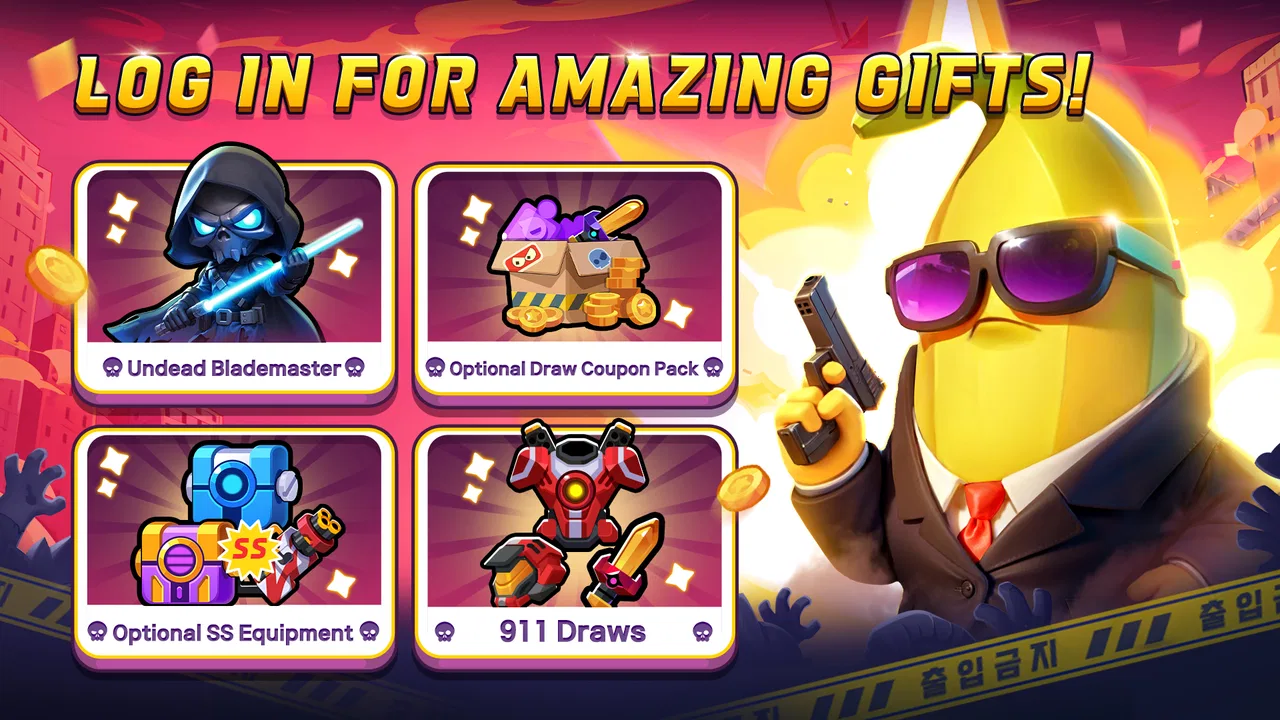
The reward structure, including the advertised giveaway of 911 draws, adds another reason to check in and see what is available. I treat rewards as a bonus rather than the foundation of a session. That mindset keeps the core loop enjoyable even when a particular reward is not especially useful to my current approach. It also reduces the temptation to spend simply because a limited-looking opportunity appears on screen.
In-app purchases are the clearest point where the game may not suit everyone. The free entry is helpful, but optional items priced from $0.99 to $99.99 can create a very different experience for players who are comfortable paying than for those who want a strictly no-spend game. I would recommend deciding in advance whether purchases are off-limits, occasional, or part of the intended experience. That choice is more important here than the low starting price alone suggests.
Who will enjoy it, and who should choose something else?
I think Zombie.io is a good match for someone who likes zombies, quick shooting sessions, and gradual improvement without needing a complex story. It is also a sensible option for a player who wants an action game that can be understood quickly but still offers a reason to return. The combination works well for casual players who enjoy seeing a character become more capable over time.
I would be more cautious recommending it to someone who dislikes repeated battles, purchase-driven progression, or games that ask for frequent retries. The same loop that feels satisfying to one person can feel like grinding to another. If your priority is competitive multiplayer, a realistic shooter, or a long-form narrative, this is probably not the better choice. A conventional campaign game would provide stronger storytelling, while a dedicated competitive title would offer a clearer focus on player-versus-player skill.
Compared with a basic wave shooter, this game gives progression more importance, so each session can contribute to a longer-term goal. Compared with a full RPG, it keeps the action closer to the center and asks for less menu management. That middle position is useful, but it also means neither side is fully developed for specialists. I would choose it when I want a compact hybrid, not when I want the deepest possible version of either genre.
Device compatibility is relatively broad because the game can run from Android 5.0 onward. Even so, I would not assume that every older phone will feel equally comfortable during busy action. Screen size, responsiveness, and battery condition can affect a shooting game more than they affect a turn-based title. If your phone is older, try a normal session before deciding whether the visual pace and controls feel comfortable.
My final view of its atmosphere and staying power
What holds Zombie.io together is the relationship between its mood and its mechanics. The zombie setting gives the shooting a clear emotional frame, the visual language helps turn crowds into readable threats, and the pacing supports short but repeatable sessions. The RPG layer then provides a reason to return after a difficult attempt. None of those parts needs to dominate for the combination to work.
My main reservation is longevity. The game’s appeal depends on how much I enjoy repeating the action loop and improving through small decisions. If that loop clicks, the free entry and accessible structure make it easy to recommend. If I need constant narrative surprises or a large variety of activities, the familiar setting and repeated encounters may lose their pull sooner.
I would start by playing without spending, learning which situations cause the most trouble, and keeping upgrades focused rather than impulsive. I would also use short sessions instead of forcing a long grind, especially when the action begins to feel routine. Those habits make the game’s strengths clearer and reduce the frustration caused by its most obvious pressure points.
Overall, Joy Nice Games has made a focused action RPG for players who want shooting, zombies, and progression in a compact mobile format. The game is free, approachable, and supported by a substantial player audience, while its optional purchases and repetitive structure deserve an honest look before committing. If you enjoy readable zombie action with a steady upgrade loop, this is worth trying; if you want a story-first or strictly skill-pure experience, another genre option will likely serve you better.
FAQs for Zombie.io - Shooting RPG
01What is Zombie.io - Shooting RPG?
Zombie.io - Shooting RPG is an action game that combines fast-paced zombie shooting with role-playing progression. You control a survivor, fight through waves of undead enemies, collect rewards, and improve your character’s abilities and equipment. The gameplay is designed for short sessions, but upgrading weapons and skills gives you reasons to keep playing and advance through increasingly difficult stages.
02How does the gameplay work in Zombie.io - Shooting RPG?
The main objective is to survive encounters with groups of zombies while dealing with enemies quickly and avoiding incoming attacks. As you progress, you can obtain stronger weapons, unlock or improve abilities, and build a more effective combat setup. Each run becomes more demanding, so choosing useful upgrades and learning enemy patterns is important for completing later levels.
03Can Zombie.io - Shooting RPG be played offline?
Some parts of Zombie.io - Shooting RPG may be available without a constant internet connection, particularly basic gameplay sections, but online access can still be required for advertisements, cloud features, events, updates, or certain rewards. Availability may vary depending on the version and device. It is best to launch the game online at least once and check which features remain accessible offline.
04Is Zombie.io - Shooting RPG free to download and play?
Zombie.io - Shooting RPG can generally be downloaded and played without an upfront purchase, allowing you to experience the core shooting and progression systems for free. However, the game may include optional advertisements and in-app purchases for currency, upgrades, items, or convenience features. You can usually progress without paying, although purchases may reduce waiting time or speed up development.
05Is Zombie.io - Shooting RPG suitable for children?
The game focuses on shooting zombies and includes cartoon-style violence, combat effects, and survival themes, so parents should review its age rating before allowing younger children to play. In-app purchases and advertising may also be present. If a child uses the game, parental controls and purchase restrictions are recommended, especially on devices connected to a shared payment account.
Pros
- Fast-paced shooting makes short play sessions enjoyable.
- RPG progression gives weapons and heroes meaningful upgrade paths.
- Zombie waves provide plenty of action and challenge.
- Simple controls are easy to learn on a phone.
- Different equipment choices encourage varied play styles.
Cons
- Later stages can feel repetitive without major gameplay changes.
- Upgrade costs may slow progress for players who avoid spending.
- Large enemy groups can cause occasional screen clutter.
- Some missions require extended grinding to improve your team.
- Performance may vary on older Android and iOS devices.

Zombie.io - Shooting RPG
Gallery